



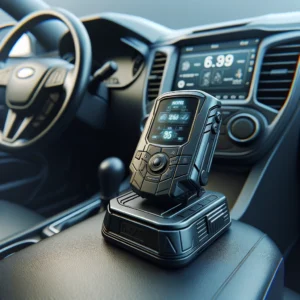
A police scanner is akin to a radio that is specifically designed to tune into the radio frequencies used by the local emergency services, including law enforcement. It is legal to own and operate police scanners in the United States. This is because airwaves in America are public property. Therefore, information being sent over these public airwaves does not benefit from privacy, an idea that was established within this context by the 1934 Communications Act. That being said, there are some radio bandwidths that are blocked on scanners, like cell phones and military bands, because privacy is presumed. All other radio frequencies are considered public.
Restrictions on Police Scanners
Even though listening to radio bands on police scanners is legal in the U.S., there are two types of restrictions on these scanners. The restrictions imposed vary greatly from state to state because police scanner restrictions are governed by state and not federal law. Generally, these restrictions encompass:
- The use of a police scanner while driving; and
- The use of a police scanner in furtherance of a crime.
The states that restrict the use of a police scanner while driving include Florida, Indiana, Kentucky, New York, and Minnesota. Although the details of the laws in these various states differ slightly, the basic concept is that you cannot use a police scanner while operating a vehicle in any of these states. The purpose of these laws is to keep users from listening to police communications in an effort to avoid speed traps. Most of the statutes in these states not only cover police scanners, but also police scanner apps.
The states where local laws restrict the use of a police scanner in furtherance of a crime include California, New Jersey, Michigan, Oklahoma, Rhode Island, South Dakota, Vermont, Virginia, Nebraska and West Virginia. Although the details of the laws in these various states differ slightly, the basic concept is the same: If you use a police scanner to monitor the police while you are committing a crime, you can be charged with further penalties and jail time for using the police scanner above and beyond what you are charged for in the underlying crime.
Police Scanner Apps
Just like police scanners are akin to radios that are designed to tap into the frequencies used by local emergency services, police scanner apps allow you to listen to both local and regional emergency service communications through your smartphone. These police scanner apps essentially turn your smartphone into a radio scanner, providing easy access to these emergency service communications. Scanner apps that allow you to listen in on emergency service communications falls under a gray area of the law. Because a smartphone cannot tune into radio transmissions, the app provides access to the scanner transmissions via the internet. Beyond police communications, these scanner apps often can also provide access to fire and other emergency services as well as railway communications, aviation transmissions, and amateur radio broadcasts among others.
If you have any questions about police scanners, or any other communication question, contact the knowledgeable Nevada attorneys at H&P Law.